Wilmington, NC
For Builders
For Home Owners

5 min. Read
Designing and building luxury homes in coastal North Carolina comes with high expectations - and unfortunately, recurring mistakes. At Quick Draw Plans, we review plans from custom builders every week, and many of the same design issues show up again and again.
These mistakes don’t just affect aesthetics - they impact livability, resale value, construction cost, and buyer/ homeowner satisfaction. For custom builders and homeowners working with a Wilmington design firm, avoiding these missteps is critical to delivering homes that truly feel high-end.
Below are the 10 most aggravating home design mistakes we see in luxury and custom builds - and how smart planning avoids them.
Luxury homes should feel spacious from the moment you step inside. Hallways under 4 feet wide instantly make a home feel cramped, regardless of square footage. Consider a larger 10' ceiling to make the space feel even bigger. Hallways don't have to be plain, wainscoting can dress the walls with the option of tray/ coffer ceilings to make the space feel one of a kind.
Why it matters:
Reduces perceived value
Makes moving furniture difficult
Feels dated and builder-grade
Wide, intentional circulation spaces are a hallmark of well-designed luxury homes.
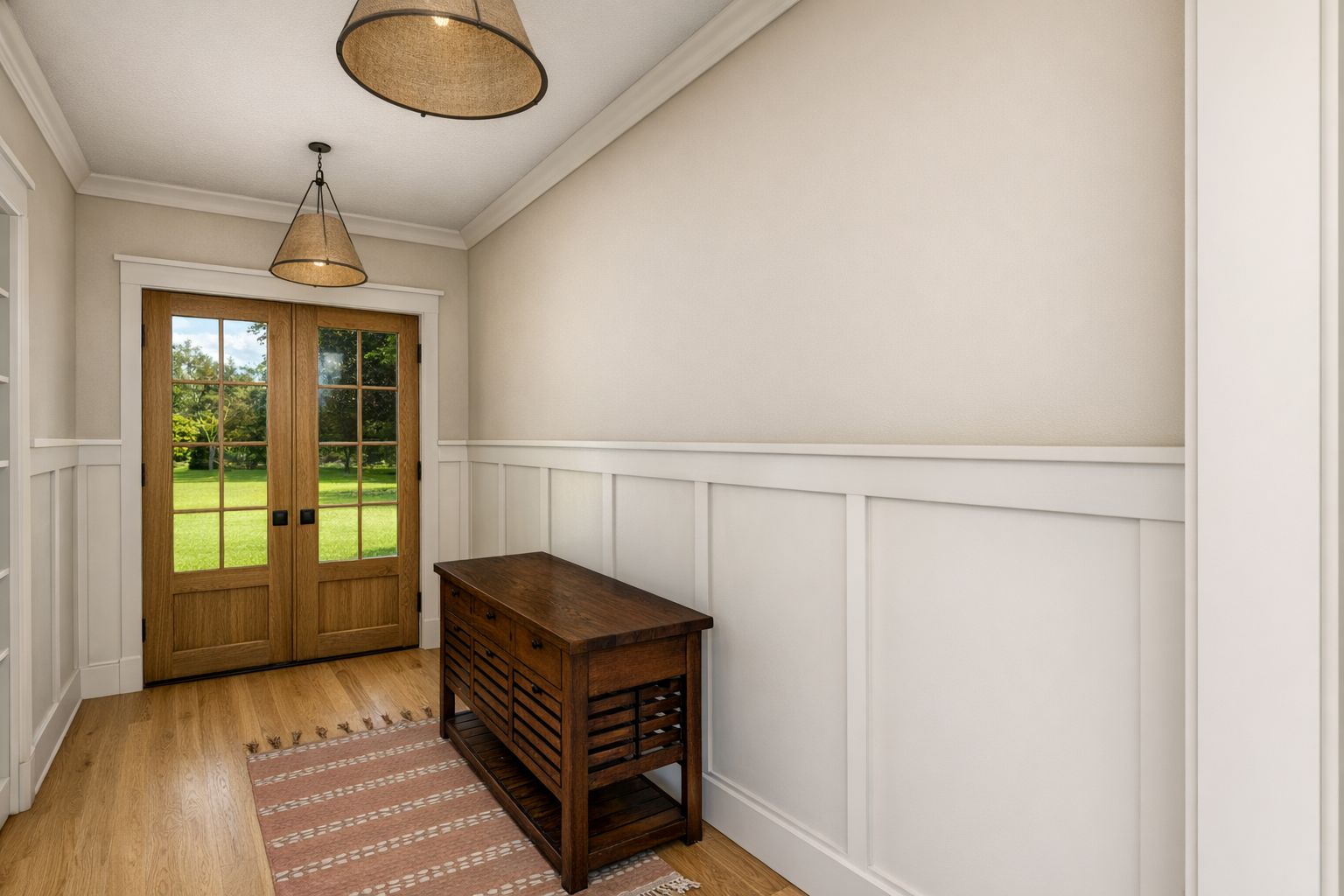
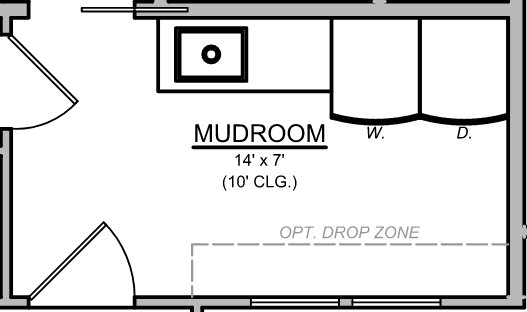
In coastal markets like Wilmington, mudrooms aren’t optional—they’re essential. Homes without a dedicated transition space struggle with clutter, sand, shoes, and daily chaos. Households with a growing young family can relate to the need of a mudroom never seeing big enough. With cabinetry, tile or brick floors and dedicated wash sinks - Mudrooms can often be one of the most expressive spaces in your home.
Common issues:
No drop zone near garage entry
No storage or seating
Mudroom treated as an afterthought
Custom builders who skip this space hear about it later from buyers. Our plans place upfront emphasis on making sure enough square footage is budgeted for the mudroom in all of our plans.
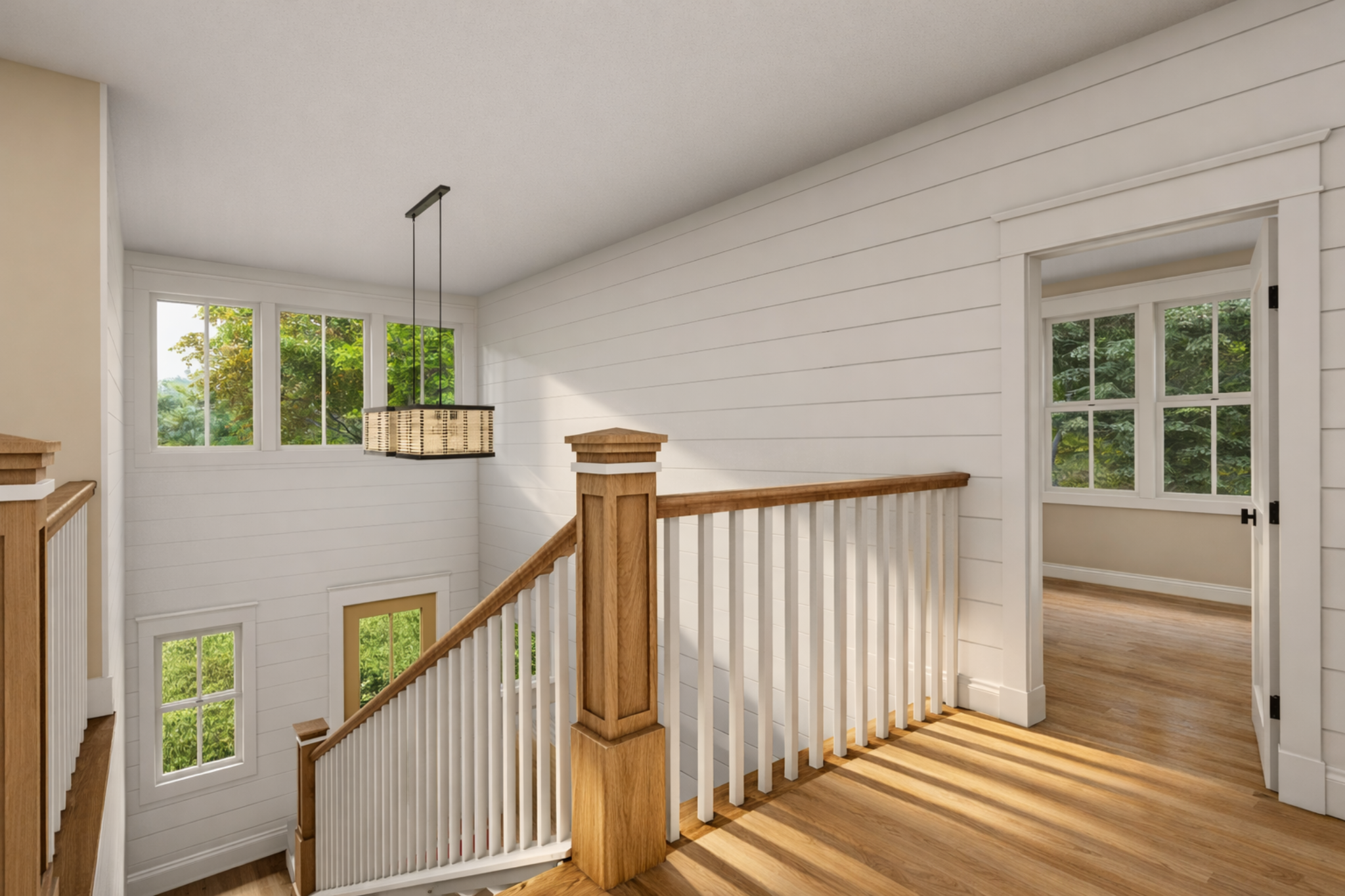
Luxury coastal homes should embrace the outdoors. A lack of indoor/outdoor access and outdoor sight lines - especially from main living areas - is one of the biggest missed opportunities we see. One of our design non-negotiables is making sure there is a direct sight line upon entering the home to the outdoors. This makes the space feel larger as well as establishes a connection to nature. While more difficult, we try to establish windows or a path for natural light into stairwells - for the same reasons. Additionally, we always making sure that large great rooms or dining areas have large accessways to filter inside and out.
Common Problems include:
Restricted access to the outdoors off large entertainment or eating areas.
A sense of feeling "trapped" inside dimly lit stairwells without views.
Walking into the foyer of a home and navigating a maze of halls before seeing outside again.
In Coastal NC, buyers expect seamless indoor/ outdoor transitions. On marquee lots, failing to incorporate a strong connection to the outdoors can be fatal in delivering an exceptional home.
This one is surprisingly common—and incredibly frustrating. Rear porches that are placed with all but one side blocked, often limit views, airflow, and functionality. With this in mind we tend to locate our rear porches on the outside corner of the home, proud of the rear wall or across the entire rear of the home.
Well placed porches offer:
Better sightlines
Improved outdoor enjoyment
Stronger architectural presence
This is a design choice that dramatically impacts how outdoor spaces are actually used. With North Carolina's favorable climate, not being able to enjoy the rear porch is a waste of our beautiful coastline.
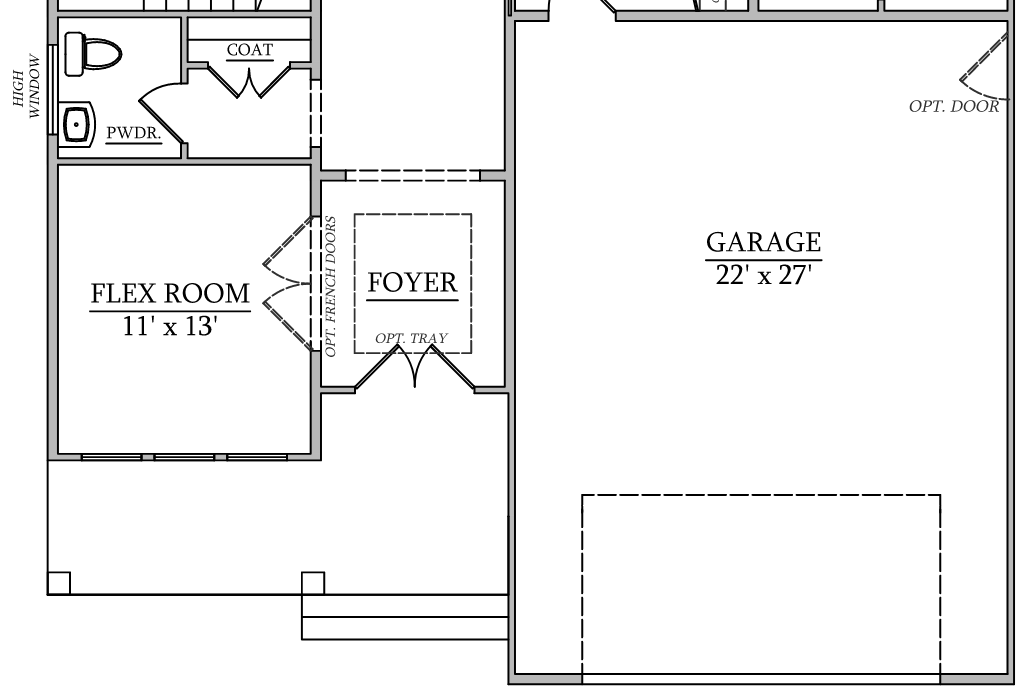
Our minimum garage depth is 22'. This allows for space to pull large vehicles into the garage and still leave room to walk around and establish storage solutions. Smaller spaces often sacrifice a work bench or storage stations. Minimum room makes walking around your car once its pulled into the garage difficult. Our minimum garage door height is always 8' to make sure standard trucks and SUVs can pull into the garage.
Why this matters:
Many people are driving larger vehicles on the road today
Our coastal location offers many recreational activities, having a space to organize these things is invaluable (Especially your surf boards)
At the end of the day having a well thought out garage space speaks to the quality of the rest of the home as well.
No one has ever complained about having too much space in their garage. We have heard many complaints about too small of a garage in client's past homes and it is always something we make sure to think about when drawing the garage area.
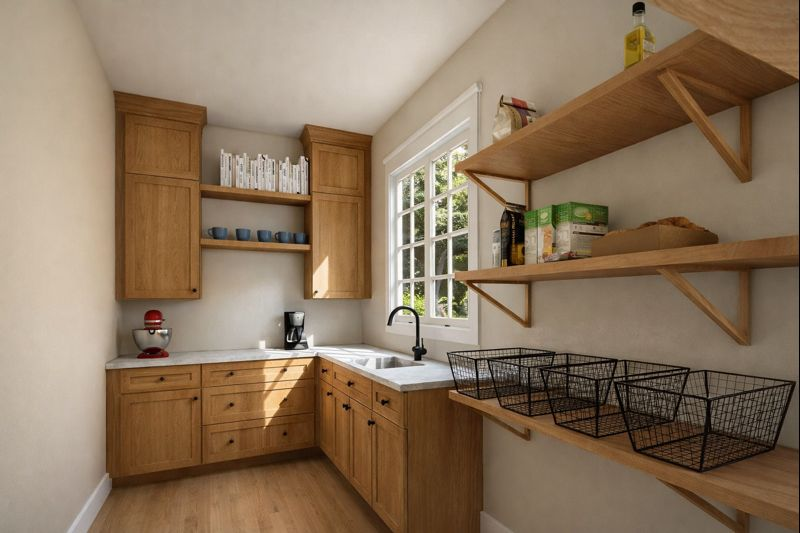
A walk-in pantry without shelving or cabinetry is wasted square footage. We see oversized pantries with nowhere to actually store food and gadgets efficiently. Too many shelves looks tacky and is a lost opportunity for a special space.
Better solutions include:
Built-in cabinetry or shelving
Additional bar sinks
Pantry layouts designed for real use
Luxury is about function as much as size. Having a large hollow feeling space with shelves, is a lost opportunity to showcase craftsmanship and create a unique space that bolsters the character of the home.
We often see budgets poured into finishes—tile, countertops, fixtures—while ignoring structural features that actually improve the home long-term. Often times material swaps or renovations are easily made down the road. Making new structural features at a later date is difficult and in some cases may not be possible.
Examples:
Choosing an expensive countertop instead of incorporating more cabinetry or establishing a larger kitchen island
Going with expensive light fixtures instead of exploring or prepping for a smart-home system
Upgrading rooms flooring that are not anticipated on being used a lot instead of upgrading the ceilings in central areas to incorporate a tray or coffered ceiling
Materials can be changed later, Structure cannot. The best homes we walk through and design let the feel and complexities of each space establish there appearance and not their fixtures and materials.
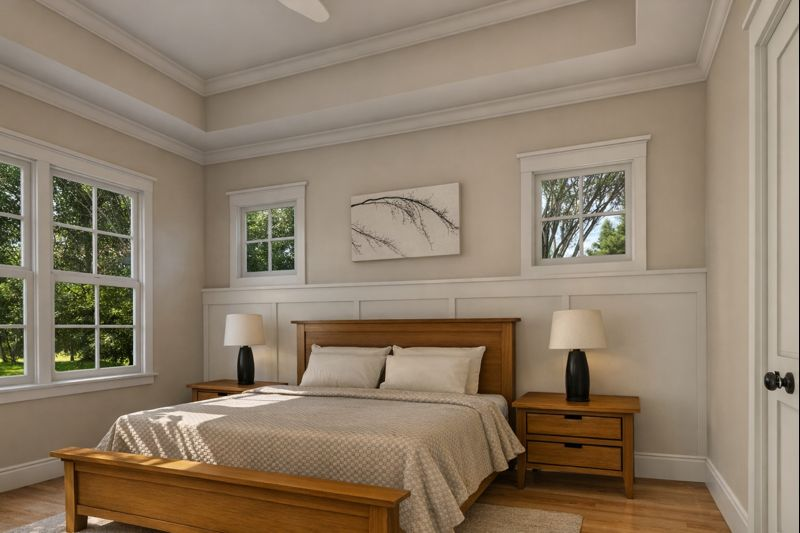
Luxury buyers expect a primary suite that feels intentional, not squeezed in. On the other hand a primary suite should not just be a largely sized square. Thoughtful upgrades and giving emphasis on functionality lead way to a well thought out space.
Popular Primary Suite Upgrades:
Bay windows with built in window suites
Vaulted or tray ceilings with wooden beams
Integrated in-suite coffee bar stations
A well-designed primary suite sells homes and is often one of the first things people look at when buying or building a home.
Beautiful kitchens fail when workflow is ignored. We see islands too small, appliances poorly spaced, and prep areas disconnected. The kitchen "Triangle" (Sink, Stove/ Oven and Refrigerator) should be spaced so that utilizing all the appliances when cooking does not feel like a chore.
Popular kitchen design features:
Large farmhouse sinks
Oversized islands with large overhangs to eat at.
LED lighting located in the cabinet crown molding, under cabinets and/ or at the toe kick.
A kitchen should be designed for how people actually live - not just how it looks in photos. Having an efficient and usable kitchen is better than having a purely aesthetic one.
Homes designed without considering humidity, wind, and coastal wear won’t age well in Wilmington. Our environment is beautiful but it is relenting on building materials. Making smart building science choices upfront and approaching design with a nuance of technicality, allows for a long lasting coastal home.
Overlooked issues:
Poor ventilation planning
Inappropriate exterior materials
Code minimum flashing and waterproofing applications
A true Wilmington design firm plans for the environment—not against it.
Many of these issues come from plans that prioritize appearance over livability - or from designers unfamiliar with local building realities.
That’s why working with a local Wilmington design firm matters. Local insight ensures plans reflect how homes are actually built, lived in, and sold here.
At Quick Draw Plans, we help custom builders and home owners avoid these mistakes before construction begins—saving time, money, and frustration.
Our approach focuses on:
Real-world livability
Coastal NC building realities
Buyer expectations in the luxury market
Builder-friendly execution